En la ingeniería de tuberías, el éxito no se define únicamente por la soldadura final. Es el resultado de años de planificación, ingeniería de precisión, responsabilidad ambiental y estándares de seguridad inflexibles. Ya sea para transportar petróleo crudo, gas natural, agua o lodos para operaciones mineras, cada etapa, desde el concepto inicial hasta la puesta en marcha completa, requiere un enfoque disciplinado y estructurado.
En PJ Inc., creemos que no solo construimos tuberías, sino que también proporcionamos infraestructura segura, confiable y sostenible que cumple con estrictos requisitos regulatorios, supera los desafíos ambientales y funciona a la perfección durante décadas. Para mostrar cómo se logra esto, analicemos el proceso de construcción de tuberías paso a paso, desde la planificación hasta la puesta en marcha.
1. Estudios de viabilidad y planificación inicial
Todo proyecto de tuberías exitoso comienza con una comprensión clara de su viabilidad técnica, económica y ambiental. Durante la etapa de viabilidad, los ingenieros evalúan las rutas potenciales, equilibrando la eficiencia con la necesidad de evitar hábitats sensibles, terrenos inestables y áreas densamente pobladas. Determinan la capacidad requerida, las presiones de operación y las especificaciones de los materiales, además de encargar evaluaciones de impacto ambiental para valorar cualquier posible alteración de los ecosistemas.
Igualmente importante es la participación temprana de las partes interesadas, de las comunidades y de los organismos reguladores. En PJ Inc., priorizamos este diálogo desde el principio, ya que abordar las inquietudes con anticipación no solo genera confianza, sino que también facilita el proceso de obtención de permisos.
2. Diseño de Ingeniería y Permisos
Una vez establecida la viabilidad, el enfoque se centra en convertir los conceptos en diseños de ingeniería detallados. Esta etapa implica seleccionar los materiales más adecuados, optimizar la ruta de la tubería con la ayuda de cartografía avanzada y de datos geotécnicos, y desarrollar diseños hidráulicos que garanticen un flujo constante y eficiente. Las consideraciones de seguridad se incorporan desde el inicio, con provisiones para sistemas de detección de fugas, válvulas de cierre de emergencia y líneas de derivación.
Paralelamente, comienza el proceso de obtención de permisos. Dependiendo del alcance y la ubicación del proyecto, pueden requerirse aprobaciones de múltiples autoridades, especialmente para proyectos transfronterizos o que atraviesen áreas ambientalmente sensibles. Nuestra experiencia en PJ Inc. en la gestión de aprobaciones de las autoridades garantiza el cumplimiento en cada etapa, reduciendo el riesgo de retrasos.
3. Adquisiciones y Preconstrucción
Una vez aprobados los diseños, nos centramos en la adquisición de los materiales, equipos y servicios adecuados. No se trata simplemente de realizar pedidos; implica una cuidadosa selección de proveedores para asegurar que cumplan con estrictos estándares de calidad y seguridad. Cada lote de tubería y cada componente se inspecciona antes del envío para verificar el cumplimiento de las especificaciones del proyecto.
Los preparativos previos a la construcción son igualmente cruciales. El terreno debe estar despejado y nivelado; se deben establecer vías de acceso e implementar medidas de protección ambiental. En PJ Inc., nos tomamos muy en serio estos primeros pasos, ya que sientan las bases para una fase de construcción eficiente y segura.
4. Construcción
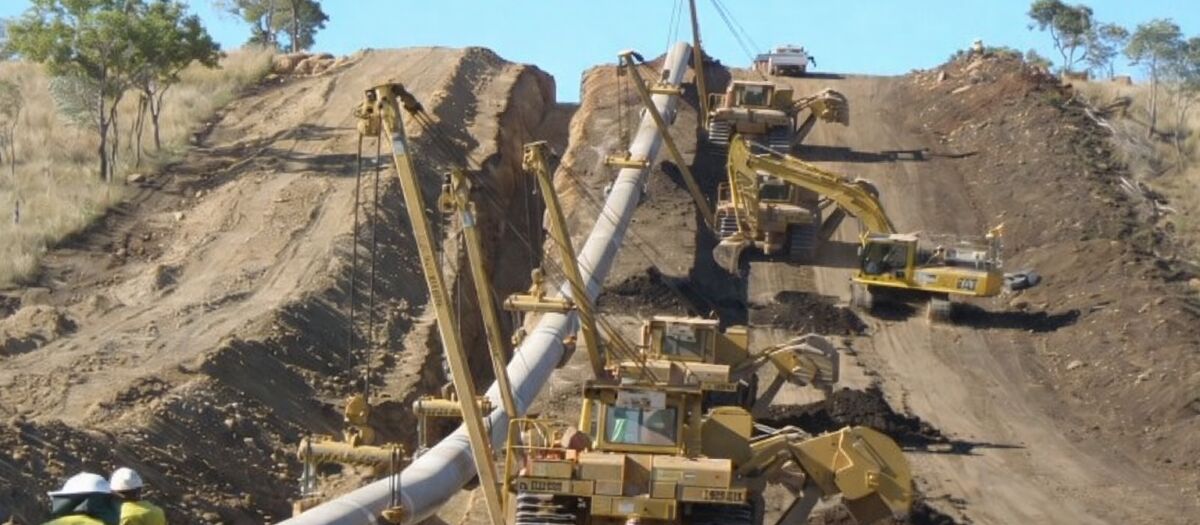
En la etapa de construcción, los planes adquieren forma física. Las secciones de tubería se entregan en la servidumbre de paso y se alinean cuidadosamente mediante un proceso conocido como el tendido. Soldadores expertos, con el apoyo de sistemas automatizados cuando corresponde, unen las secciones. Cada soldadura se somete a rigurosas pruebas no destructivas para garantizar su integridad.
Una vez finalizada la soldadura, la tubería se recubre y envuelve para protegerla de la corrosión antes de introducirla en la zanja preparada. El relleno restaura el terreno y se emplean técnicas de ingeniería especializadas, como la perforación direccional horizontal o la microtúnelización, para cruzar ríos, carreteras y otras zonas sensibles. Durante toda esta fase, PJ Inc. aplica estrictos protocolos de seguridad, desde sesiones informativas diarias sobre riesgos hasta la supervisión continua en obra, garantizando que la construcción se lleve a cabo sin incidentes.
5. Pruebas y Control de Calidad
Antes de que una tubería entre en funcionamiento, debe someterse a pruebas que demuestren su funcionamiento seguro y fiable. La prueba hidrostática, que consiste en llenar la tubería con agua y presurizarla por encima de su nivel normal de funcionamiento, es el método más común. En ciertos casos, se realizan pruebas neumáticas con aire o con gas inerte.
Además, se utilizan herramientas de inspección conocidas como “cerdos inteligentes” para revisar la tubería y detectar defectos, verificar su geometría interna y asegurar que esté limpia y libre de residuos. Cada resultado se documenta meticulosamente, creando un registro de integridad permanente que respalda tanto el cumplimiento normativo como la planificación del mantenimiento futuro.
6. Puesta en marcha y preparación operativa
La puesta en marcha marca la transición de la construcción a la operación, pero es mucho más que una simple lista de verificación final. La tubería se purga y limpia; los sistemas de control como SCADA se calibran; las alarmas se prueban; se confirma que los sistemas de monitoreo remoto están completamente operativos. Los operadores reciben capacitación detallada para que puedan gestionar el sistema de forma segura y eficaz desde el primer día.
El paso final es la entrega, en la que el cliente recibe un conjunto completo de documentación que incluye manuales operativos, informes de inspección y planos finales, lo que garantiza que cuenta con todo lo necesario para una operación segura, conforme a la normativa y eficiente.
7. Más allá de la puesta en marcha: Integridad a largo plazo
Si bien la puesta en marcha pone fin al proyecto de construcción, también marca el inicio de la vida útil de la tubería. La gestión de la integridad a largo plazo es esencial e incluye inspecciones periódicas, mantenimiento predictivo y monitoreo ambiental. En PJ Inc., ofrecemos soporte continuo para garantizar que nuestras tuberías se mantengan seguras, eficientes y conformes con la normativa durante toda su vida útil.
Excelencia en cada etapa
Desde el primer estudio de ruta hasta que comienza a fluir el primer producto, la ejecución exitosa de un proyecto de oleoducto es una secuencia de etapas coordinadas con precisión, cada una de las cuales se basa en la anterior. En PJ Inc., nuestro enfoque combina la experiencia técnica con un profundo compromiso con la seguridad, la protección del medio ambiente y el cumplimiento normativo. El resultado es una infraestructura que no solo satisface las demandas actuales, sino que también está diseñada para funcionar durante las próximas décadas.