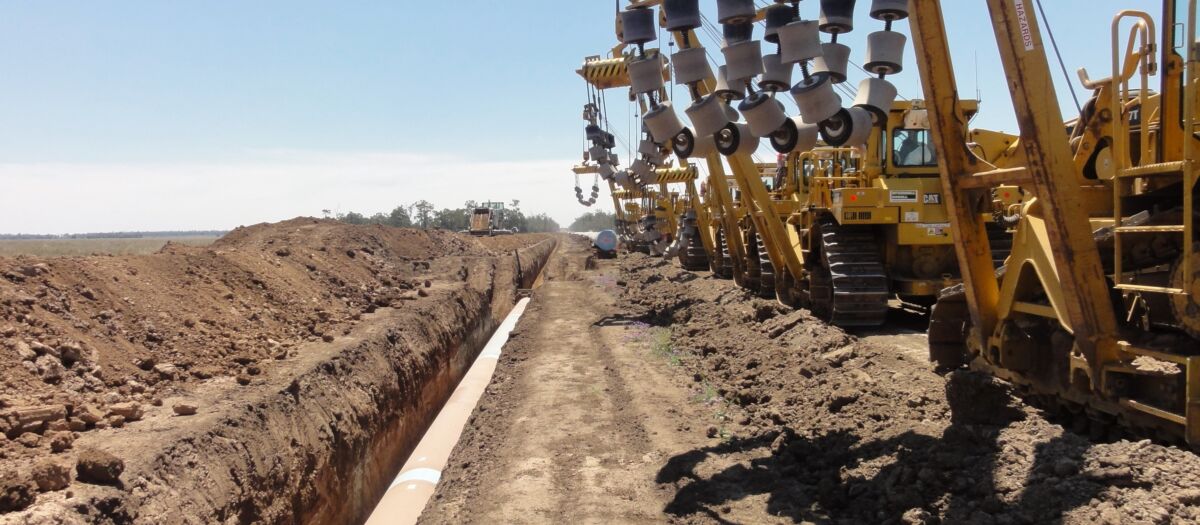
Introduction: Safety Is More Than Rules and Procedures
Pipeline projects are often judged by their safety statistics — incident rates, lost-time injuries, or compliance records. While these metrics are important, they only tell part of the story. Behind every safe or unsafe outcome lies a deeper factor: safety culture.
Safety culture shapes how people interpret risk andmake decisions in routinary activities and respond when conditions deviate from plan. In pipeline engineering and construction, where systems operate under pressure and failure can have serious consequences, culture can either reinforce safe design and execution or quietly undermine it.
At PJ, safety culture is understood not as a standalone initiative, but as something embedded in engineering judgement, collaboration, and accountability throughout the pipeline lifecycle.
Safety Is Designed Before It Is Managed
Many of the most significant safety risks associated with pipelines are introduced long before construction begins. Early engineering decisions determine:
When hazards are designed into a project, they cannot be fully mitigated through procedures or training alone. Strong safety performance starts with engineering that eliminates risk where possible, rather than managing it later.
The Link Between Engineering Safety Culture
A strong safety culture values:
Conversely, a culture that prioritizes schedule or cost over technical rigor can normalize risk, leading to decisions that compromise long-term safety and integrity.
Construction Safety: Influenced by Design Choices
Construction is one of the highest-risk phases of a pipeline project. Design decisions directly affect:
Engineering that prioritizes constructability and clarity reduces reliance on high-risk workarounds. This not only improves safety outcomes but also reinforces trust between design and construction teams.
Commissioning: Where Culture Is Tested
Commissioning is a phase where safety culture is often put under strain. Time pressure, multiple interfaces, and first-time system operation create conditions where:
A strong safety culture empowers teams to pause, reassess, and act conservatively — even when project pressures are high. This behaviour is supported by designs that anticipate commissioning challenges and provide safe means to manage them.
Integrity and Safety Are Inseparable
Pipeline integrity failures can result in:
Preventing these outcomes requires more than monitoring and maintenance. It requires a culture that respects design limits, responds to early warning signs, and values proactive intervention.
Safety culture influences whether integrity risks are addressed early or allowed to escalate.
The Role of Leadership in Shaping Safety Culture
Safety culture is reinforced by leadership behaviors, particularly in engineering-led organizations. Effective leadership:
When leaders demonstrate respect for engineering judgement, teams are more likely to speak up and act responsibly.
Independent Review as a Cultural Signal
Independent technical review is not only a risk management tool — it is a cultural signal. It demonstrates that:
In pipeline projects, independent review strengthens both technical outcomes and safety culture.
Global Teams, Shared Responsibility
Pipeline projects often involve diverse teams working across regions, disciplines, and cultures. Maintaining a consistent safety culture requires:
PJ’s global group of experts operates within a common framework that emphasizes safety, integrity, and professional accountability — regardless of location.
Learning from Near Misses and Early Warnings
A strong safety culture does not wait for incidents to occur. It values:
In pipeline engineering, near misses often reveal design or operational vulnerabilities that can be addressed before harm occurs.
Safety Culture Across the Pipeline Lifecycle
Safety culture must be consistent from feasibility through operation. This continuity ensures that:
Fragmented safety approaches create gaps where risk can accumulate.
Conclusion: Safety Culture Is an Engineering Outcome
Safety culture is often discussed in behavioural terms, but in pipeline engineering it is inseparable from technical decisions. It is shaped by how systems are designed, reviewed, and operated — and by whether engineering judgement is respected at every stage.
At PJ, safety culture is reinforced through disciplined engineering, independent oversight, and a commitment to protecting people, assets, and the environment. It is not an initiative — it is a reflection of how engineering is done.